
Showroom Design: Your Brand's Silent Sales Coordinator
The moment a customer steps into your showroom, they form an opinion about your brand before uttering a single word. The colors, the light, the textures, the scent, the sound… all come together to whisper who the brand is, what it values, and why it should be trusted.
That's why showroom design isn't just an architectural choice; it's a strategic brand investment.
1. The Showroom is the Physical Manifesto of the Brand.
In the digital world, brands exist through logos, colors, and slogans. But in the physical world, customers experience your brand with their five senses . Your showroom is a three-dimensional manifesto that embodies your brand's values.
If you advocate for sustainability, the space should reflect that.
If you represent luxury, every detail should convey that feeling.
If you value innovation, technology must be ingrained in the DNA of the place.
Customers believe what you show them, not what you say.


2. How to Make a Difference in the Experience Economy
As Harvard Business Review famously stated: "Products and services have become commodified. The way to differentiate yourself is through experience."
Showroom design is the stage for this experience. A well-designed showroom:
It draws the visitor in (with curiosity)
It encourages exploration (interaction).
It establishes an emotional bond (belonging)
It speeds up the purchasing decision (trust).
These four steps are the physical equivalent of the sales funnel.


3. Measurable Returns on Investment in Showroom Design
Showroom design goes beyond simply creating a "beautiful space"; it directly impacts business results.
Scope of Influence | Conclusion |
Brand Perception | The premium feel increases price tolerance. |
Customer Experience | The average visit duration increases. |
Sales Conversion | The right design accelerates the purchasing decision. |
Word-of-Mouth Marketing | Experiences are shared, organic reach increases. |
Employee Motivation | A well-designed space empowers the sales team. |
Remember: When a customer leaves the showroom, they remember the feeling they had there, not the product.


4. How Does Showroom Design Differ by Sector?
Every industry has its own language, rhythm, and customer expectations. Showroom design should be a translator of this language.
Furniture & Decoration: Warmth, texture, living scenarios
Technology & Electronics: Minimalism, light, interaction
Hotel Equipment: Hygiene, durability, functionality
Fashion & Textiles: Atmosphere, seasonal changes, tactile sensation.
Automotive: Prestige, technology, emotional connection.
Food & Beverage: Freshness, naturalness, appetizing presentation.
The right design is one that speaks the language of the industry.


Brand identity comes first – design should be born from the brand's DNA.
The customer journey must be designed – where will the visitor look, what will they touch, how will they proceed?
Light is everything – the right lighting enhances the product; it overshadows the flaws.
There must be a tactile sensation – the customer must have physical contact with the product.
Digital and Physical Convergence – QR codes, interactive displays, 3D experiences.

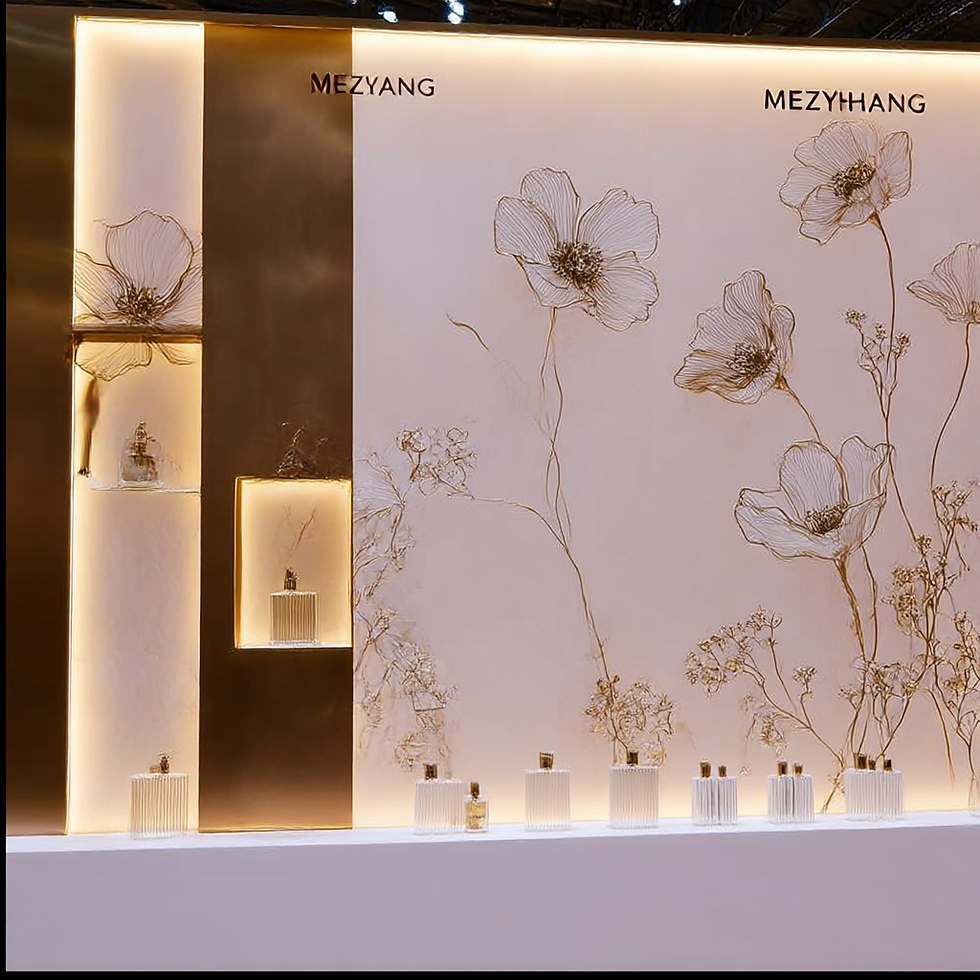

Conclusion: The showroom is the gateway to the brand's future.
Advertising budgets run out, campaigns end. But a well-designed showroom speaks for your brand for years to come. It welcomes dozens of customers every day, telling each one the same story: "This is who we are. You can trust us."
At TDworks Architecture, we bring your brand's story to life; we design not just showrooms, but experiences.
Would you like to discuss what we can do for your brand? Get in touch.


Comments